
As I was cleaning out my fridge one afternoon, a little treasure caught my eye: leftover beef bulgogi. It sparked an idea for a cozy night in, leading me to whip up a delightful Korean Beef Bulgogi Stew. This one-pot wonder not only transforms yesterday’s meal into something new and exciting, but it also brings a comforting warmth that’s perfect for any chilly evening. Ready in just 15 minutes, this quick recipe is packed with tender beef, chewy sweet potato noodles, and a savory sesame-soy broth that’ll have everyone coming back for seconds. Whether you’re cooking for yourself or a loved one, this stew is sure to deliver that cozy, home-cooked feel. So,are you ready to turn those leftovers into something extraordinary?
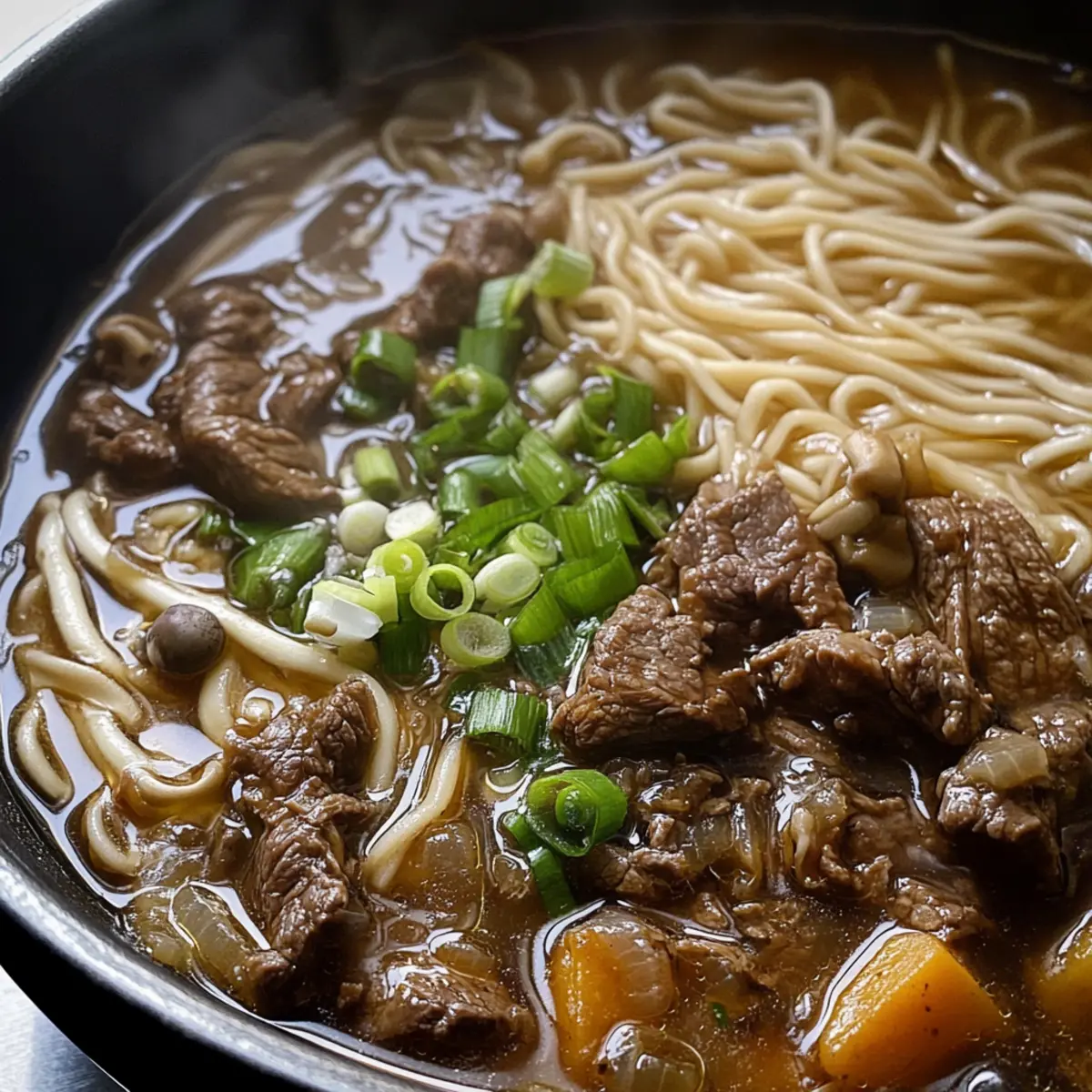
Why is this stew a must-try?
Quick Transformation: Leftover beef bulgogi is transformed into a rich stew in just 15 minutes, making it perfect for busy weeknights.
Comfort in a Bowl: The soothing flavors and hearty ingredients create a warm embrace for your taste buds.
Versatile Substitutions: Don’t have sweet potato noodles? Swap for rice noodles or udon easily for a delightful variation.
Hearty and Nourishing: Packed with protein and nutrients, this stew is a balanced meal that’s sure to satisfy your hunger. Plus, serve it with steamed rice and traditional Korean sides like kimchi for a complete experience.
Crowd-Pleaser: Whether for a solo dinner or a family meal, this Korean Beef Bulgogi Stew is sure to be a hit around your table!
Korean Beef Bulgogi Stew Ingredients
• Transform your leftovers into something extraordinary with these essential ingredients!
For the Stew
- Korean Beef Bulgogi – The star of the show, providing a sweet-savory flavor and protein. If you don’t have leftovers, freshly marinated beef works great too!
- Sweet Potato Noodles (Dangmyeon) – Adds a delightful chewiness that absorbs the broth’s flavors; swap in rice noodles or udon if preferred.
- Enoki Mushrooms – These little mushrooms bring a nice tender-crisp texture to the stew; feel free to use other mushrooms as desired.
- Green Onion – Chopped as a garnish, this ingredient adds a fresh taste and vibrant color to your final dish.
For the Broth
- Water – The base for your broth, allowing all the flavors to meld beautifully; for a richer stew, beef broth is a fantastic alternative.
- Sesame Oil – A little goes a long way! It adds nutty depth to the stew—use it sparingly.
- Soy Sauce – Introduces umami goodness that balances the bulgogi’s richness; using dark soy sauce will deepen both color and flavor.
Feel free to mix and match these elements to craft your own cozy Korean Beef Bulgogi Stew masterpiece!
Step‑by‑Step Instructions for Korean Beef Bulgogi Stew
Step 1: Soak the Noodles
Begin by soaking your sweet potato noodles in warm water for about 10 minutes. This step is essential to ensure they soften and absorb the rich flavors of the stew. While waiting, prepare your other ingredients to keep the cooking process efficient and enjoyable.
Step 2: Heat the Bulgogi
In a medium pot over medium heat, add your leftover Korean beef bulgogi. Stir the beef gently as it warms through, which should take about 3-5 minutes. You’ll know it’s ready when the beef is heated evenly and fragrant, filling your kitchen with comforting aromas.
Step 3: Add Sauce Ingredients
Once the bulgogi is warmed, stir in 2 tablespoons of dark soy sauce and 1 tablespoon of sesame oil. Mix well to ensure the beef is coated in these flavorful sauces. Let it cook for another minute, allowing the flavors to meld together beautifully.
Step 4: Create the Broth
Pour in 4 cups of water, or substitute with beef broth for a richer taste. Bring the mixture to a gentle boil over high heat. Keep an eye on it, as it should start bubbling in about 2-3 minutes. This step creates the savory base for your Korean Beef Bulgogi Stew.
Step 5: Nourish with Noodles and Mushrooms
Once boiling, add the soaked sweet potato noodles and 1 cup of enoki mushrooms to the pot. Stir them in gently, ensuring everything is well mixed. Allow the stew to cook for an additional 2-3 minutes, or until the noodles become tender and the mushrooms are par-cooked but crisp.
Step 6: Final Touches and Serve
Remove the pot from heat and garnish with freshly chopped green onions for a burst of color and freshness. Serve your Korean Beef Bulgogi Stew immediately, allowing everyone to indulge in the warm, comforting bowl you’ve created. Enjoy the delightful mix of textures and flavors!
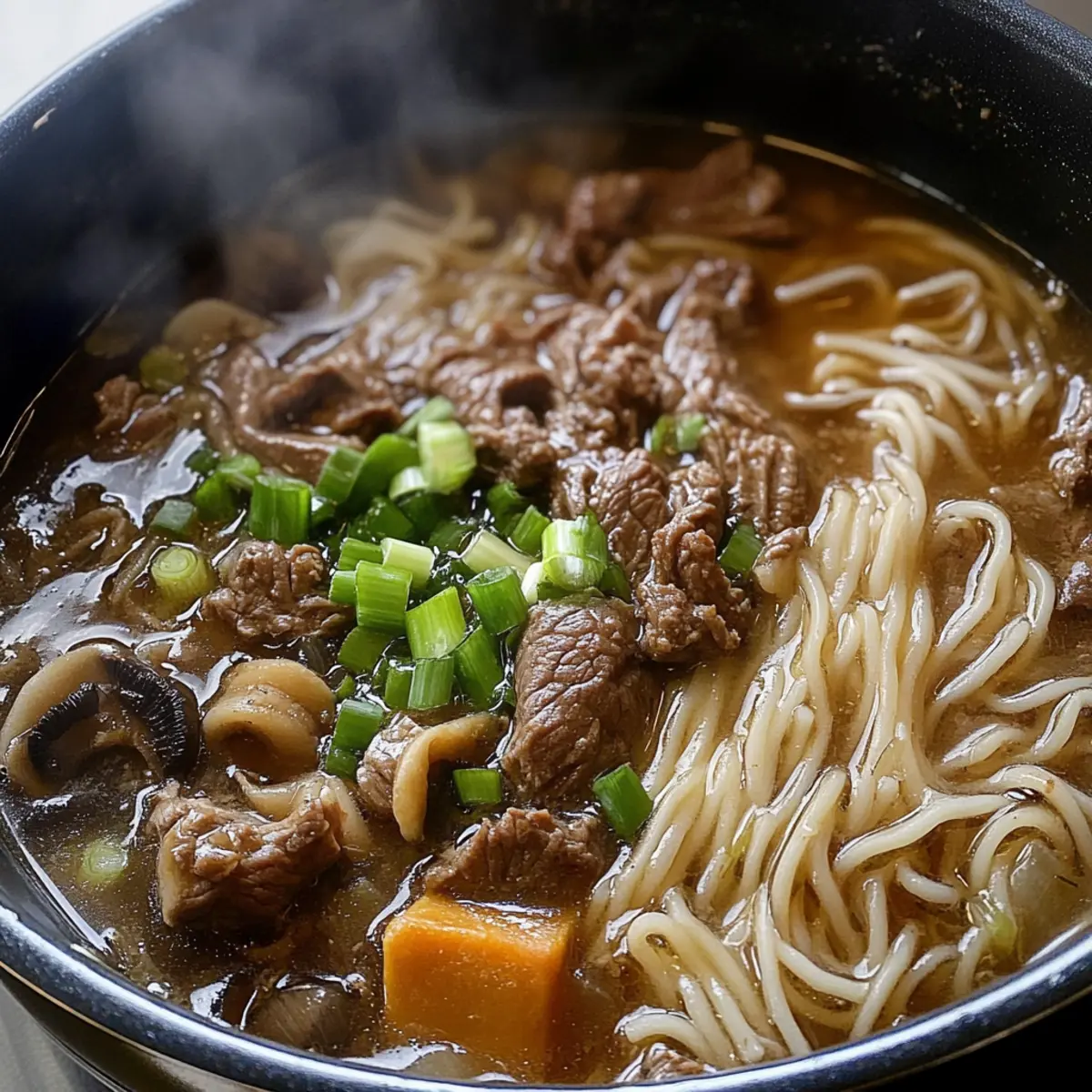
Storage Tips for Korean Beef Bulgogi Stew
Fridge: Store your Korean Beef Bulgogi Stew in an airtight container for up to 3 days. This keeps it fresh and flavorful for easy reheating.
Freezer: Freeze the stew in a freezer-safe container for up to 3 months. Be sure to leave space at the top, as the stew will expand when frozen.
Reheating: Thaw in the fridge overnight before reheating on the stove or microwave. Gently warm it up, adding a splash of water if needed to restore its comforting broth texture.
Serving Suggestions: If you’re not finishing it all in one go, consider keeping garnishes like green onions aside until serving to maintain their freshness and crunch.
What to Serve with Korean Beef Bulgogi Stew
Delight in creating a full meal experience that complements the warmth and richness of this comforting stew.
-
Steamed Rice: Fluffy white rice soaks up the savory broth, balancing the flavors beautifully.
-
Kimchi: This spicy, fermented side adds a tangy crunch that contrasts with the stew’s warmth, enhancing each bite. A true Korean staple that livens up any meal!
-
Pickled Radishes: Their crisp and slightly sweet profile refreshes the palate between bites of the hearty stew, making them a delightful addition.
-
Korean Pancakes (Pajeon): These savory pancakes offer a crunchy texture that pairs wonderfully with the stew’s soft noodles and beef. They’re a great way to introduce a delightful surprise to the table.
-
Cucumber Salad (Oi Muchim): A chilled cucumber salad provides a refreshing crunch that complements the rich flavors of the Korean Beef Bulgogi Stew.
-
Cold Beer or Soju: Enjoy a crisp lager or a glass of traditional soju as the perfect beverage to quench your thirst and complement the savory stew.
Make Ahead Options
These Korean Beef Bulgogi Stew preparations are perfect for busy home cooks looking to save time during the week! You can prepare the bulgogi and soak the sweet potato noodles up to 24 hours in advance and refrigerate them in separate airtight containers. The night before serving, simply combine the warmed bulgogi with water (or beef broth) in a pot, then add the soaked noodles and enoki mushrooms just before boiling. This method ensures that the flavors meld beautifully while keeping the noodles from becoming too soft. When ready to enjoy, follow the final steps by garnishing with green onions, and you’ll have a comforting meal that tastes just as delicious as if you made it fresh!
Tips for the Best Korean Beef Bulgogi Stew
-
Soaking Noodles: Always soak your sweet potato noodles in warm water beforehand to ensure they become perfectly chewy and absorb the broth’s flavors effectively.
-
Using Fresh Bulgogi: If you’re starting with fresh Korean beef bulgogi, remember to marinate it properly before cooking to enhance flavor; ensure to cook it thoroughly before adding to the stew.
-
Broth Thickness: Adjust the amount of water or beef broth based on how thick you like your Korean Beef Bulgogi Stew; too little liquid may make it too concentrated, while too much can dilute the rich flavors.
-
Vegetable Variations: Don’t be afraid to mix in other vegetables like bok choy or carrots; they not only add nutrition but also enhance the texture and flavor profiles of the stew.
-
Proper Garnishing: Always finish with freshly chopped green onions for brightness; this simple step really elevates the dish and makes it visually appealing.
Variations & Substitutions for Korean Beef Bulgogi Stew
Feel free to personalize this delicious stew with these fresh twists that will elevate your cooking experience and delight your taste buds!
- Vegetable Boost: Add bok choy or carrots for extra nutrition. They’ll meld beautifully with the savory broth, adding color and flavor.
- Protein Swap: Replace beef bulgogi with chicken or tofu for a lighter option. This adds variety while maintaining the comforting essence of the stew.
- Pasta Option: Swap sweet potato noodles for udon or rice noodles. Each choice brings its unique texture, creating an exciting twist on the classic dish.
- Vegan Delight: Use vegetable broth and substitute beef bulgogi with marinated tempeh or mushrooms for a hearty vegan version. It’s packed with flavor and compassion!
- Heat It Up: Add sliced jalapeños or a dash of chili paste for a spicy kick. If you’re a heat lover, this addition will definitely wake up your taste buds!
- Savory Layers: Mix in a pinch of smoked paprika or gochugaru for a smoky depth. This will take your stew to new, scrumptious heights.
- Noodle Delicacy: Experiment with thin rice vermicelli for a slightly different texture. The noodles will soak up the broth wonderfully, enlivening every bite.
- Broth Enrichment: Swap water for homemade beef broth to enhance the flavor profoundly. This simple change can make all the difference in your stew’s richness.
Whichever variations you decide to try, they will surely make your Korean Beef Bulgogi Stew uniquely yours! And for more spicy goodness, you might want to check out Spicy Korean Ramen or Korean Spicy Chicken for your next culinary adventure!
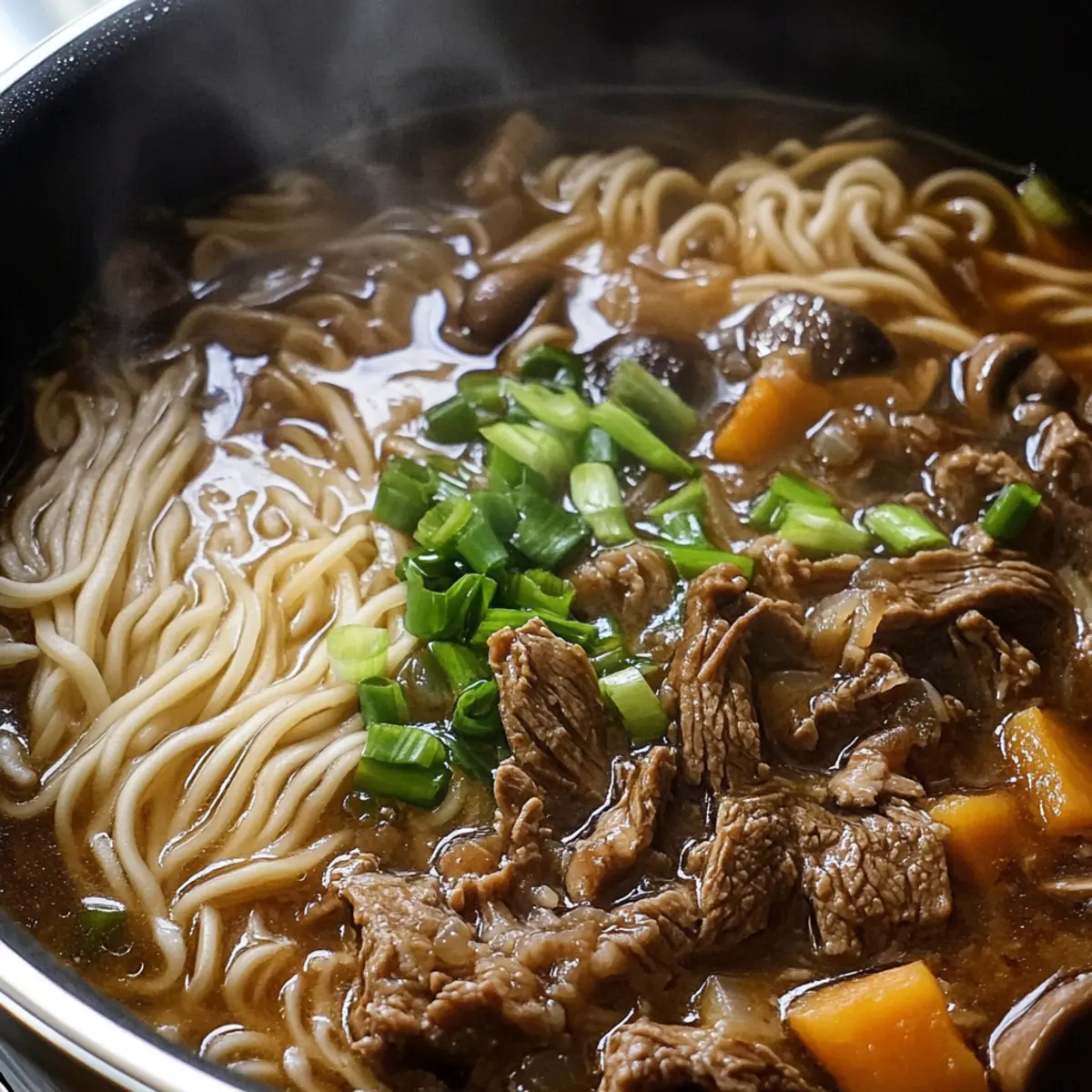
Korean Beef Bulgogi Stew Recipe FAQs
How do I select the right beef bulgogi for my stew?
Absolutely! When choosing bulgogi, look for tender cuts like ribeye or sirloin that have a good marbling of fat. This ensures added flavor and juiciness in your dish. If using leftovers, make sure they are stored correctly and don’t have any dark spots indicating spoilage.
How long can I store leftover Korean Beef Bulgogi Stew in the fridge?
You can store your stew in an airtight container in the fridge for up to 3 days. Be sure to let it cool to room temperature before sealing it tight to maintain freshness. Reheat gently on the stove or microwave to preserve the flavors.
Can I freeze Korean Beef Bulgogi Stew?
Very! To freeze, pour the cooled stew into a freezer-safe container, leaving space at the top for expansion. It can be kept frozen for up to 3 months. When you’re ready to enjoy it, thaw it in the fridge overnight, and reheat it gently on the stove, adding a splash of water if needed.
What if my sweet potato noodles don’t soften in the stew?
No need to worry! If your noodles aren’t tender after 2-3 minutes of cooking in the broth, extend the cooking time. Just make sure to keep an eye on them and stir occasionally to prevent sticking. Remember, soaking them beforehand is key to achieving that delightful chewy texture!
Are there any dietary considerations for this recipe?
Absolutely! This stew is quite versatile. If you or someone you’re cooking for has allergies, ensure the soy sauce is gluten-free or choose tamari instead. For a vegetarian option, swap out the beef bulgogi for marinated tofu and use vegetable broth for a delicious alternative that everyone can enjoy!
Can I add more vegetables to the Korean Beef Bulgogi Stew?
The more the merrier! Feel free to incorporate additional vegetables such as bok choy, carrots, or napa cabbage. Just chop them into bite-sized pieces and add them to the stew at the same time as the noodles, cooking until tender. This adds both nutrition and flavor to your dish!
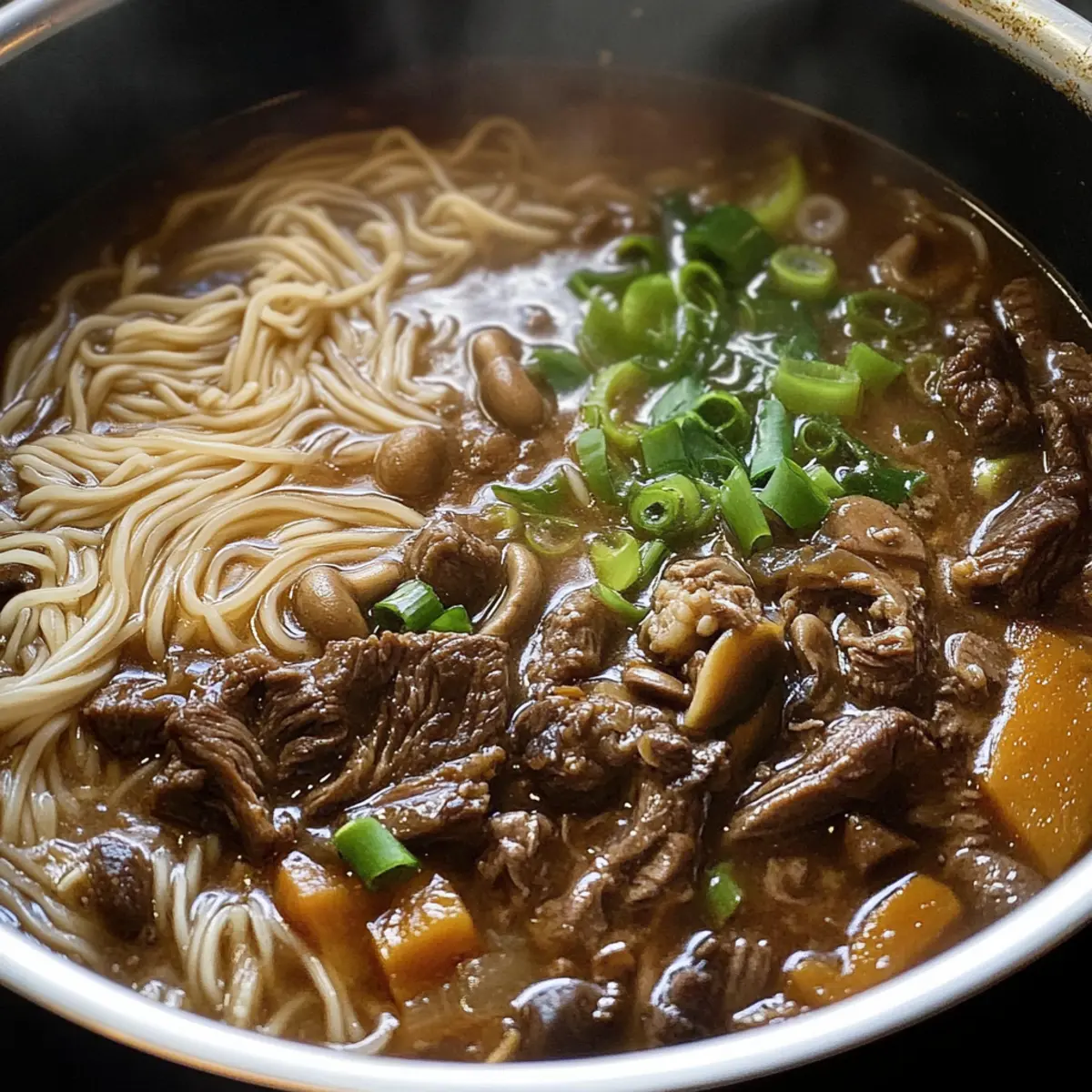
Korean Beef Bulgogi Stew: Quick Comfort in Every Bowl
Ingredients
Equipment
Method
- Soak the sweet potato noodles in warm water for about 10 minutes.
- In a medium pot over medium heat, add the leftover Korean beef bulgogi and warm for about 3-5 minutes.
- Stir in 2 tablespoons of dark soy sauce and 1 tablespoon of sesame oil, cooking for another minute.
- Pour in 4 cups of water and bring to a gentle boil over high heat in about 2-3 minutes.
- Add the soaked sweet potato noodles and 1 cup of enoki mushrooms, cooking for an additional 2-3 minutes until tender.
- Garnish with freshly chopped green onions and serve immediately.
Leave a Reply