
As I savored the last bite of my colorful creation, the flavors danced across my palate, reminding me of sun-kissed markets in Thailand. This vibrant Thai Peanut Sweet Potato Buddha Bowl is not just a feast for the eyes; it’s a deliciously nourishing meal that is as satisfying as it is beautiful. With perfectly roasted sweet potatoes bringing warmth to each bite, and a creamy peanut sauce enhancing the crisp veggies, this dish is the ideal plant-based, meal prep-friendly option for anyone looking to elevate their weeknight dinner. Whether you’re a long-time fan of hearty bowls or just venturing into the world of wholesome, homemade meals, this recipe will not only tantalize your taste buds but also make you feel good about what you’re eating. Curious about how easy it is to whip this up in your own kitchen? Let’s dive in!
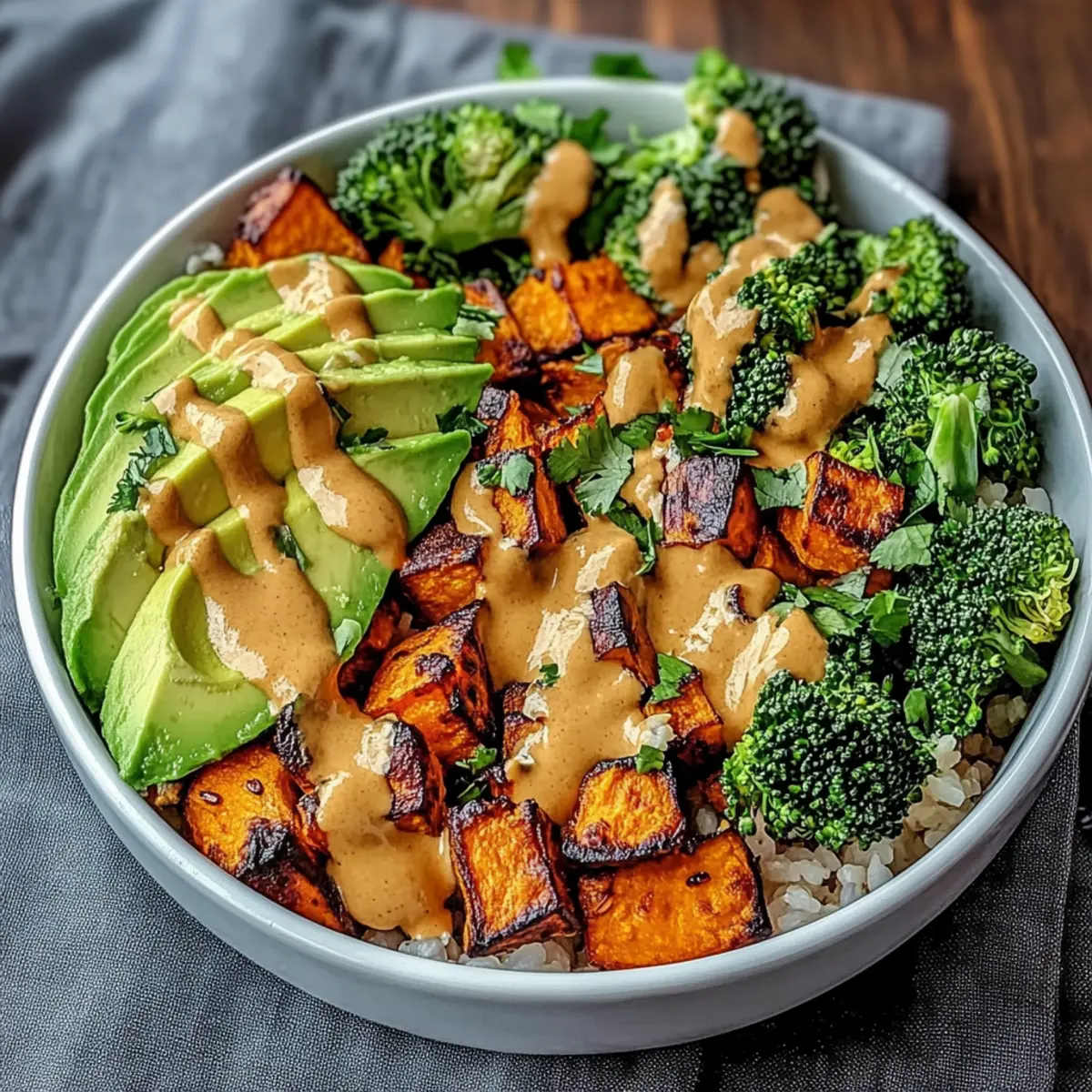
Why Is This Buddha Bowl a Must-Try?
Vibrant flavors: Each bite of this Thai Peanut Sweet Potato Buddha Bowl bursts with colorful ingredients, making healthy eating a delight.
Endless variations: Customize it with your favorite proteins or seasonal veggies to keep meal prep exciting!
Meal prep friendly: Make ahead for the week; just store components separately and combine when ready to eat.
Nourishing nutrition: Packed with vitamins and healthy fats, it’s a guilt-free indulgence that fuels your body.
Quick and easy: Whip this up in under 30 minutes, making it perfect for busy weeknights!
This dish is as satisfying as beloved meals like Peanut Butter Pie and should definitely be part of your recipe rotation.
Thai Peanut Sweet Potato Buddha Bowl Ingredients
For the Sweet Potatoes
• Sweet Potatoes – The star of the dish that provides sweetness and hearty texture; substitute with butternut squash for varying flavors.
• Olive Oil – Essential for roasting, helping sweet potatoes achieve a crispy exterior; can be replaced with avocado oil.
• Salt & Pepper – Key seasonings that enhance flavor; adjust to taste.
For the Veggies
• Broccoli Florets – Adds crunch and nutrients; cauliflower serves as a suitable substitute.
• Shredded Cabbage – Provides freshness; can use any type of cabbage or leafy greens as a swap.
• Grated Carrots – Offers sweetness and color; radishes work for a spicier flavor alternative.
• Avocado – Contributes creaminess and healthy fats; tahini or sunflower seeds are good nut-free options.
For the Peanut Sauce
• Peanut Butter – Base for the sauce, adding creaminess; almond butter is an alternative.
• Soy Sauce – Delivers umami depth; opt for tamari for a gluten-free version.
• Maple Syrup – Sweetener for the sauce; agave syrup can be used instead.
• Lime Juice – Provides acidity to brighten flavors; lemon juice is a feasible substitute.
• Sesame Oil – Adds a nutty flavor; omit for a nut-free meal.
Garnishes
• Cilantro – Fresh herb for garnish; parsley can replace it.
• Chopped Peanuts – Adds crunch; sunflower seeds can substitute for nut allergies.
Step‑by‑Step Instructions for Thai Peanut Sweet Potato Buddha Bowl
Step 1: Preheat the Oven
Begin by preheating your oven to 400°F (200°C). This temperature is crucial for achieving perfectly roasted sweet potatoes that are golden and crispy. Prepare a baking sheet lined with parchment paper to make cleanup a breeze once you’re done cooking.
Step 2: Prepare Sweet Potatoes
Wash and dice your sweet potatoes into even cubes, ensuring uniform cooking. In a large bowl, toss the sweet potato cubes with olive oil, salt, and pepper until they’re evenly coated. Spread them out on the prepared baking sheet and roast for 25-30 minutes, flipping halfway through, until they are tender and caramelized.
Step 3: Mix Veggies
While the sweet potatoes are roasting, take a large mixing bowl and combine the broccoli florets, shredded cabbage, grated carrots, and diced avocado. Gently toss the vegetables together, allowing the fresh colors to mix beautifully. This blend will add delightful crunch and freshness to your Thai Peanut Sweet Potato Buddha Bowl.
Step 4: Make Peanut Sauce
In a separate bowl, whisk together the peanut butter, soy sauce, maple syrup, lime juice, and sesame oil until smooth and creamy. If the sauce seems too thick, feel free to stir in a bit of warm water until you reach your desired consistency. This delicious peanut sauce will be the perfect drizzle over your Buddha bowl.
Step 5: Assemble the Bowl
Once the sweet potatoes have roasted to perfection, it’s time to assemble your bowl. In a serving dish, layer the colorful mix of veggies first, followed by the warm, roasted sweet potatoes. Generously drizzle the creamy peanut sauce over the top, allowing it to cascade over the vibrant ingredients in your Thai Peanut Sweet Potato Buddha Bowl.
Step 6: Garnish and Serve
Finally, garnish your Buddha bowl with freshly chopped cilantro and a scattering of chopped peanuts for an added crunch. Serve immediately while the sweet potatoes are warm and the veggies remain crisp. Don’t forget to share for a colorful meal that’s as nourishing as it is beautiful!
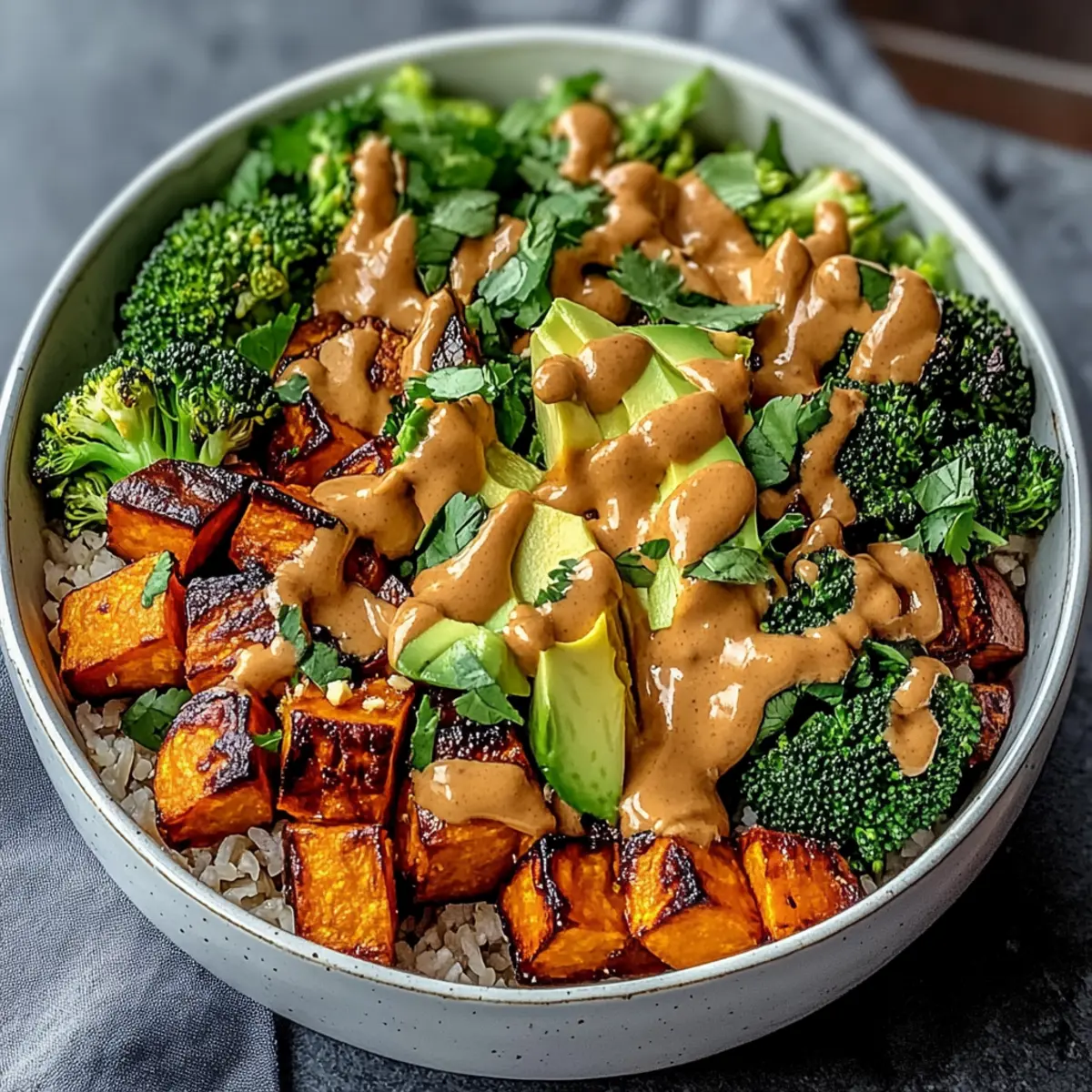
Expert Tips for the Thai Peanut Sweet Potato Buddha Bowl
-
Uniform Dicing: Make sure to cut sweet potatoes into even cubes; this ensures they roast evenly and achieve that perfect tender texture.
-
Cooling Time: Let the roasted sweet potatoes cool slightly before adding to your bowl; this will help them maintain their crispy exterior.
-
Adjust Sauce Consistency: If your peanut sauce is too thick, whisk in warm water a teaspoon at a time until you reach the desired creamy texture.
-
Store Components: To keep your Thai Peanut Sweet Potato Buddha Bowl fresh for leftovers, store the sauce and veggies separately from the sweet potatoes.
-
Utilize Seasonal Veggies: Feel free to swap in any seasonal vegetables you have on hand to keep the dish exciting and enhance its nutritional value!
What to Serve with Thai Peanut Sweet Potato Buddha Bowl
Elevate your dining experience by complementing this vibrant bowl with a variety of delightful sides and drinks.
-
Creamy Coconut Rice: A fragrant base that enhances the dish’s Thai flavors. The creaminess balances the texture of the veggies beautifully.
-
Fresh Spring Rolls: Crisp lettuce, herbs, and vegetables rolled in rice paper offer a refreshing contrast. They are light, enhancing the bowl’s heartiness while adding a beautiful presentation.
-
Soothing Miso Soup: Filled with umami-rich flavors, it provides a warm and comforting element. The broth elegantly prepares your palate for the Buddha bowl’s vibrant flavors.
-
Grilled Corn on the Cob: Sweet and smoky, grilled corn adds a pop of flavor and crunch. Pairing it with lime helps to enhance the fresh, zesty notes of your meal.
-
Zesty Cucumber Salad: A light and tangy salad made with cucumbers, lime, and chili creates a refreshing side. Its crispness pairs perfectly with the richness of the peanut sauce.
-
Chilled Lemonade: A refreshing drink with a bright citrus punch balances the bowl’s creaminess. Its sweetness offers a perfect counterpoint to the savory elements.
-
Sesame Ginger Dressing Salad: A mix of greens topped with sesame ginger dressing provides a crunchy texture and a hint of nuttiness. It offers a lovely contrast without overshadowing the main dish.
-
Fruit Salad: Light and sweet, a fresh fruit salad serves as a wonderful cleansing dessert. It adds a vibrant color and a burst of natural sweetness to finish the meal on a high note.
How to Store and Freeze Thai Peanut Sweet Potato Buddha Bowl
Fridge: Store leftover Buddha bowl components in airtight containers for up to 3 days, keeping the peanut sauce separate to maintain freshness.
Freezer: Each component can be frozen separately for up to 3 months. When ready to enjoy, thaw in the fridge overnight and reheat the sweet potatoes in the oven or microwave before assembly.
Reheating: For best results, reheat sweet potatoes in the oven at 375°F (190°C) for about 10-15 minutes to restore their crispiness. The mixed veggies can be briefly sautéed or microwaved until warm.
Make Ahead Options
These vibrant Thai Peanut Sweet Potato Buddha Bowls are perfect for meal prep enthusiasts! You can roast the sweet potatoes up to 3 days in advance; just let them cool completely before storing them in an airtight container in the fridge to maintain their crispiness. The veggies can also be mixed together and refrigerated for up to 24 hours. For the peanut sauce, prepare it ahead of time and keep it in a separate container in the fridge for up to 5 days. When you’re ready to serve, simply reheat the sweet potatoes, combine everything in a bowl, drizzle with the sauce, and garnish. This way, you’ll enjoy a nourishing meal with minimal effort during busy weeknights!
Thai Peanut Sweet Potato Buddha Bowl Variations
Feel free to unleash your creativity with this recipe and make it your own!
-
Add Protein: Incorporate grilled chicken, tofu, or chickpeas to make your Buddha bowl more filling and nutritious. Protein adds an extra layer of satisfaction to this vibrant dish.
-
Spicy Kick: Make your peanut sauce spicy by adding sriracha or chili flakes. This twist will deliver extra heat that awakens the palate and enhances the overall flavor profile.
-
Quinoa Base: Swap out the veggies for a fluffy quinoa base to enhance the nutritional value and add a hearty touch to your bowl. Quinoa is a great source of plant-based protein and gives a delightful texture.
-
Leafy Greens: Use arugula or spinach instead of cabbage for a fresh, peppery bite. This twist offers a new flavor dimension and increases the dish’s nutritional value.
-
Different Nut Butters: Try almond butter or sunflower seed butter instead of peanut butter for a unique flavor and to accommodate nut allergies. Each option will give your sauce a different character that could become your new favorite.
-
Roasted Veggies: Experiment by adding roasted vegetables like bell peppers or zucchini for even more color and flavor. Roasting enhances the sweetness and depth, making every bite even more enjoyable.
-
Sweetness Swap: Instead of maple syrup, use honey or agave syrup in the peanut sauce. This small change can bring a subtle different sweetness that pairs beautifully with the other elements.
-
Zesty Addition: Include a sprinkle of lime zest along with the lime juice for a zesty burst of flavor that lifts the entire dish. This is a simple yet impactful way to amplify freshness.
For more flavorsome ideas, check out these delightful recipes like the Mediterranean Steak Bowl for meal inspiration or the innovative Sweet Potato Goat bowls for twists on this beloved ingredient. Enjoy customizing your vibrant creation!
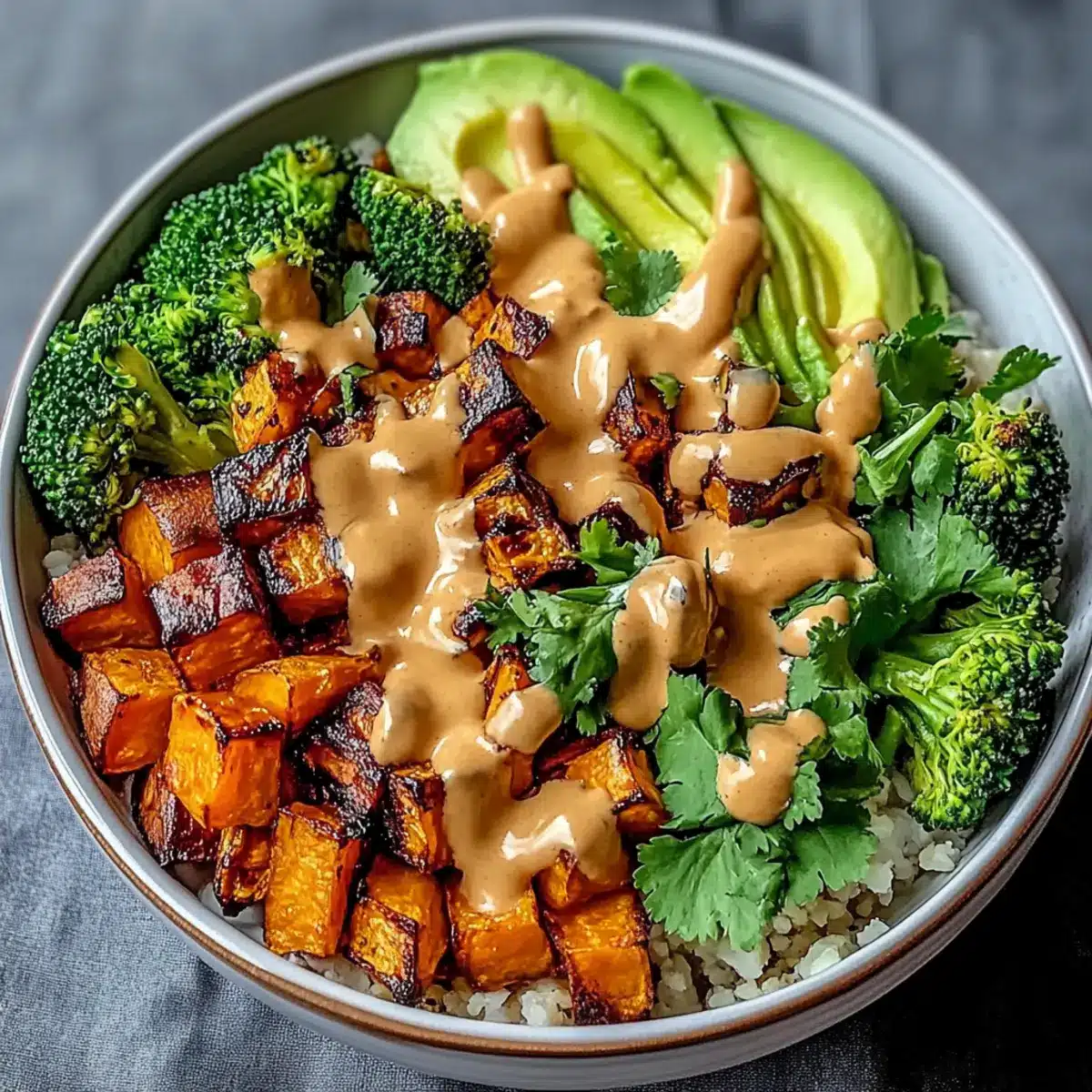
Thai Peanut Sweet Potato Buddha Bowl Recipe FAQs
What type of sweet potatoes should I use?
Absolutely! I recommend using vibrant orange sweet potatoes for their sweetness and creamy texture. However, if you want a different flavor profile, butternut squash can serve as an excellent substitute, adding its own unique sweetness and texture. Just make sure to adjust the roasting time if necessary, as butternut squash may cook faster.
How should I store my Buddha bowl leftovers?
To ensure freshness, store leftover components in airtight containers in the fridge for up to 3 days. It’s best to keep the peanut sauce separate from the veggies and sweet potatoes—this way, your veggies retain their crunchiness, and the sauce doesn’t become too thick.
Can I freeze the components of the Buddha bowl?
Very! You can freeze each component separately for up to 3 months. To do this, place sweet potatoes, mixed veggies, and peanut sauce in individual airtight containers or freezer bags. When you’re ready to enjoy, just thaw them in the fridge overnight and reheat the sweet potatoes in the oven or microwave for that perfect warm, crispy texture.
What should I do if my peanut sauce is too thick?
No worries—this is a common issue! Start by whisking in a teaspoon of warm water at a time until you achieve your desired smoothness. If you prefer it thinner, keep adding water until it reaches the right consistency. This creamy sauce is the heart of the dish, so ensure it’s silky and delightful!
Are there any allergy considerations with this recipe?
Absolutely! Since this recipe includes peanuts and soy sauce, those with nut allergies should substitute peanut butter with sunflower seed butter and use coconut aminos or a gluten-free soy sauce to avoid any reactions. Always check labels for hidden allergens if you’re servicing guests with dietary restrictions.
Can I add protein to my Buddha bowl?
The more the merrier! Feel free to add grilled chicken, sautéed tofu, or chickpeas for a protein boost. Just cook them separately and layer on top of your veggie and sweet potato mix when assembling the bowl for a hearty, filling meal.
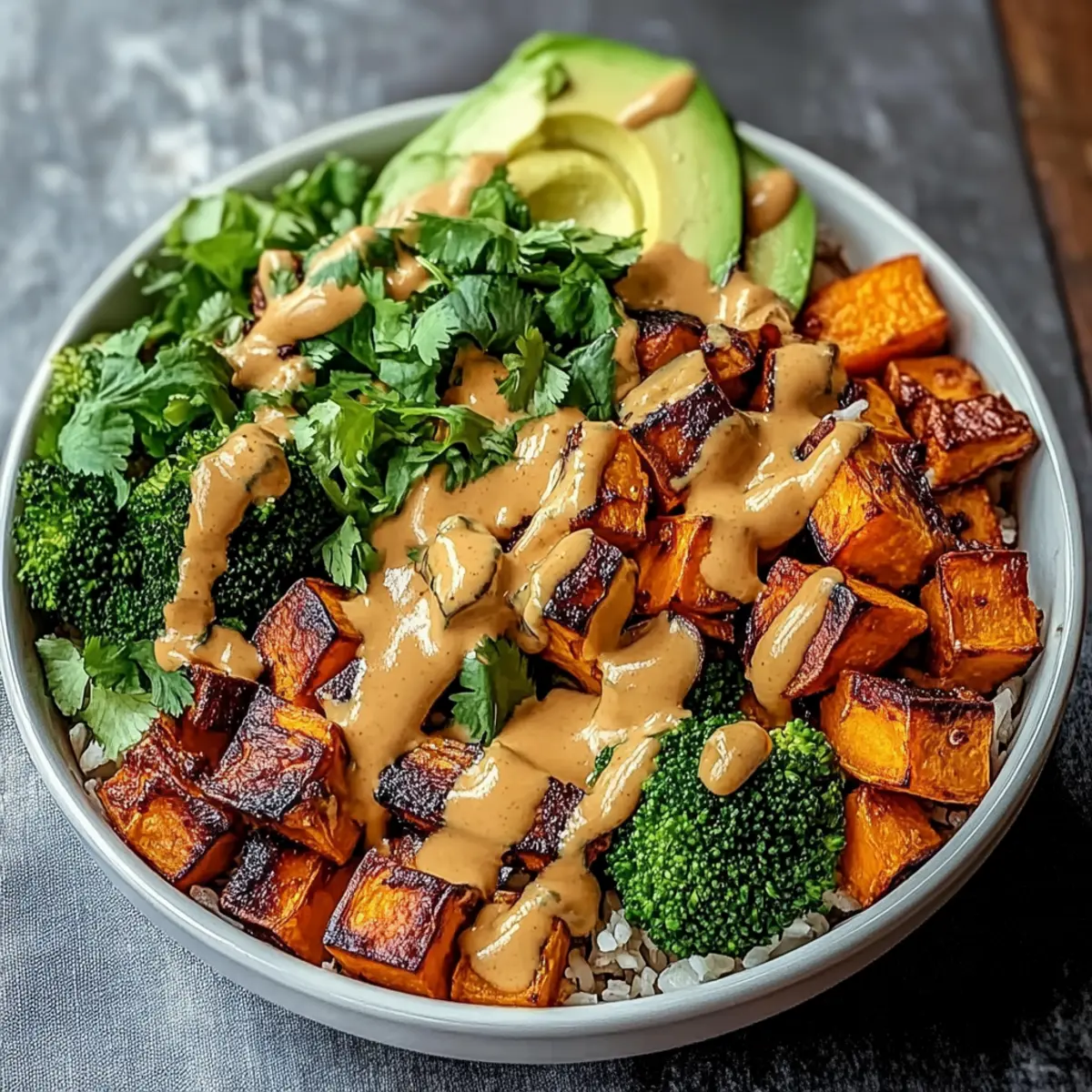
Savor the Flavorful Thai Peanut Sweet Potato Buddha Bowl
Ingredients
Equipment
Method
- Preheat your oven to 400°F (200°C) and line a baking sheet with parchment paper.
- Wash and dice the sweet potatoes into even cubes, toss with olive oil, salt, and pepper, then spread on the baking sheet. Roast for 25-30 minutes, flipping halfway.
- In a large bowl, combine broccoli florets, shredded cabbage, grated carrots, and diced avocado, tossing gently.
- Whisk together peanut butter, soy sauce, maple syrup, lime juice, and sesame oil until smooth. Add warm water if needed.
- Assemble the bowl by layering veggies first, followed by roasted sweet potatoes, and drizzled with peanut sauce.
- Garnish with chopped cilantro and peanuts, serve immediately.
Leave a Reply